



Internet banking may be easy and convenient, but you need to be conscious of security. Anybody with your authentication details can access your bank account. That is why your Internet banking details is a major target in identity theft schemes. So, the key to Internet banking security is protecting your authentication information as well as making sure you access your internet banking platform from a secure and clean computer connected to a secure network. Here are a few Internet banking tips to serve as a guide.
Follow these tips and you will go a long way in protecting yourself from Internet banking fraud.
Do not visit your Internet banking platform from an e-mail
Once in a while, you will receive an e-mail, claiming to be from your bank, with a link to your Internet banking platform. The e-mail may claim that there is a problem with your account and requesting you to login to your Internet banking account to clarify issues. It may even claim you have a huge deposit into your account and that you need to login to view it.
The catch here is that the link to your Internet banking platform provided on this e-mail is fake. The fraudster will design a website that looks like your Internet banking platform. If you fall for this scam and click on the link you will be taken to the fake website. If you enter your Internet banking login details, it will be captured by the fraudster and used to login to your real Internet banking platform.
To login to your Internet banking platform, visit your bank’s official website and look for Internet or Online banking login link, click on this link to visit the Internet banking login page. Bookmark this page to make it easily accessible next time around. If you use Google Chrome browser, you can create an application shortcut for your Internet banking platform.
Do not reveal your Internet banking details to anyone
Another approach that may be used is similar to the technique used in ATM card fraud. You will receive an email or SMS claiming to be from your bank requesting you to send your Internet banking login details for some reason.
The message may claim that your Internet banking platform has been upgraded and you need to send your login details to effect your migration to the new Internet banking system. No matter what the excuse is, never reveal your Internet banking login details to anyone.

Make sure the Internet banking site is secure
The web address of an Internet banking website should start with https:// (not http://). It must be Secured Socket Layer (SSL). Look for the padlock image that indicates a secure site. Each browser displays the security padlock sign in different locations. SSL encrypts the interaction between your browser (you) and your Internet banking platform, ensuring that the interaction between the two can not be easily understood/read if intercepted by fraudsters.
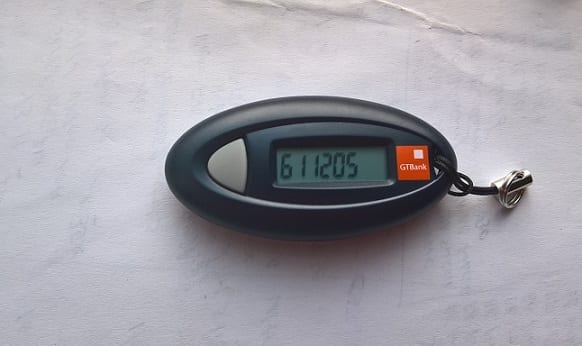
Get a Internet Banking Security token and keep it safe
A security token is a device that enable you authenticate yourself electronically during Internet banking transactions. A Security token adds a second layer of security, giving you more protection. If you are using Internet banking security token, a fraudster will also require your security token in addition to your PIN to access sensitive transactions on your Internet banking site.
That means that once you keep your security token safe from prying eyes, your Internet banking account will be safe from most threats. An Internet banking Security token will also enable you handle more of your banking needs online. So get one from your bank, it does not cost much.
Connect to Internet banking from a secure computer
Make sure the computer you are using to access Internet banking services is secure. Follow simple internet security tips to prevent Internet banking fraud. Ensure you have the latest version of your operating system installed. Enable automatic update to ensure that your OS is up to date.

Make sure you have the latest anti-virus software and firewall installed. These will improve your Internet banking security. Internet banking requires a secure computer, an anti-virus will detect and prevent malware from infiltrating your computer, which gives you improved security.
You may also buy software that enhances your browser security.
Connect to Internet banking from a secure Network
Never access Internet banking services that involves logging into your Internet banking platform in a cyber cafe. Note that some Wi-Fi connections are just like cyber cafes. So do not access Internet banking services from an open non-secure Wi-Fi hotspot.
If you do not know the business responsible for maintaining the Wi-Fi hotspot, do not access Internet banking services from it. Access Internet banking services only from a Wi-Fi hotspot maintained by reputable organisations.
Do not access via those maintained by cyber cafes as cyber cafes are den of fraudsters and some of them are even owned by fraudsters. Internet services from cellular networks (GSM/CDMA) are okay for your Internet banking transactions.