

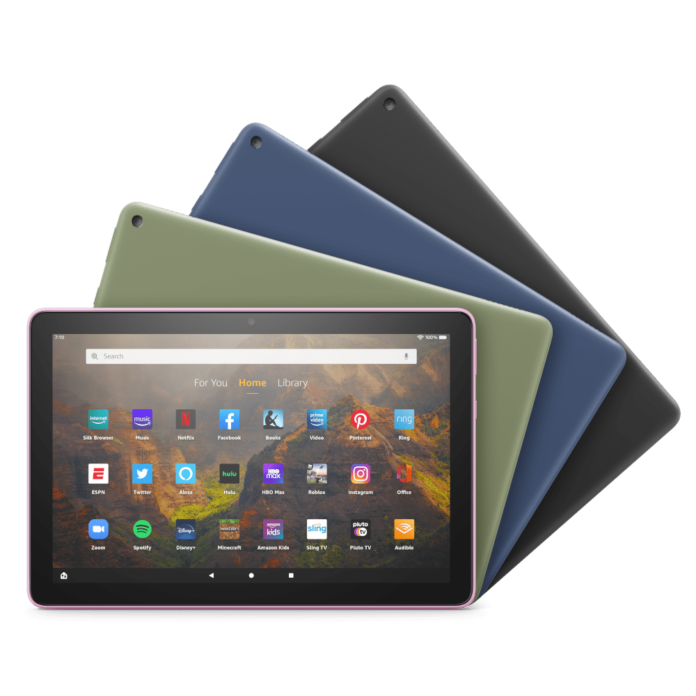
Tablets have become an essential part of everyday life. Whether you need one for work, online learning, entertainment, or creative projects, there are plenty of options available. However, high-end tablets from Apple and Samsung can cost hundreds or even thousands of dollars, making the upfront purchase price a challenge for many consumers.
Buying a tablet through monthly installments offers an alternative. Rather than paying the full amount immediately, buyers can spread the cost over an agreed period. In Germany, for example, comparison websites such as TabletsAufRaten help consumers explore financing options for popular tablets, including Apple iPads and Samsung Galaxy Tabs, with or without mobile data contracts.
But while installment payments can make expensive technology more accessible, understanding the actual costs and conditions is essential before committing.
How Does Tablet Financing Work?
Tablet financing allows consumers to purchase a device and pay for it through regular installments, typically over several months or years.
Depending on the retailer and financing provider, the agreement may involve a traditional consumer loan, a buy now, pay later service, or a device payment plan bundled with a mobile network subscription.
For example, a tablet costing €600 could theoretically be divided into 24 monthly payments of €25, assuming no interest or additional charges.
However, not every financing agreement is interest-free. Some providers charge interest, administrative fees, or additional costs that increase the final purchase price.

This makes comparing the total amount payable just as important as comparing monthly installments.
The Difference Between Tablets With and Without Contracts
One important distinction when financing a tablet is whether the device comes with a mobile data contract.
Tablets With Mobile Contracts
Some telecommunications providers offer tablets together with monthly data plans.
These packages can be convenient for people who regularly use their tablets away from home, particularly students, business travelers, and remote workers.

A single monthly payment may cover both the device and mobile connectivity.
However, buyers should examine the contract duration, available data allowance, network coverage, and total financial commitment.
A seemingly affordable monthly package can become expensive when payments continue for two or three years.
Tablets Without Mobile Contracts
Alternatively, consumers can finance the tablet separately without signing up for a new mobile subscription.
This provides greater flexibility, especially for buyers who primarily use Wi-Fi or already have a suitable mobile data plan.
It also makes comparing the device’s purchase price easier because the financing is not combined with telecommunications services.
For many consumers, separating the device from the mobile subscription provides a clearer understanding of the actual costs.
Choosing the Right Tablet for Your Needs
Before exploring financing options, buyers should decide which tablet best suits their requirements.
The most expensive device is not necessarily the best choice.
Apple iPad
Apple’s iPad range is popular among consumers looking for a combination of performance, portability, and access to a large selection of applications.
Standard iPads are suitable for everyday activities such as browsing, streaming, video calls, and studying.
The iPad Air offers additional performance for demanding users, while the iPad Pro targets professionals who need more powerful hardware for creative tasks and productivity.
Samsung Galaxy Tab
Samsung offers a broad selection of Android tablets across different price categories.
Affordable Galaxy Tab models are suitable for browsing, entertainment, and basic productivity.
Premium Galaxy Tab devices provide larger displays, advanced multitasking capabilities, and, on supported models, stylus functionality.
These features can appeal to students, designers, and professionals who prefer Android.
Other Android Tablets
Manufacturers such as Xiaomi and Lenovo also offer tablets that may provide excellent value for money.
For buyers who mainly watch videos, read documents, attend online meetings, or browse websites, a mid-range Android tablet may offer everything they need.
Choosing a less expensive device can significantly reduce the need for long-term financing.
Five Important Factors to Consider Before Financing
1. Total Purchase Cost
Never judge a financing agreement solely by its advertised monthly payment.
A tablet costing €20 per month may seem inexpensive, but over 36 months, the total reaches €720.
Compare this figure with the price of purchasing the same device outright.
2. Interest Rates and Additional Fees
Some retailers advertise zero-percent financing, while others charge interest.
Even with a zero-percent offer, buyers should check whether additional services, insurance, or account fees apply.
Read the financing agreement carefully before accepting the terms.
3. Contract Duration
Longer agreements generally reduce monthly payments but extend financial obligations.
A three-year repayment period may appear affordable, but the device could become outdated before the final installment is paid.
Shorter repayment periods can be preferable when they fit comfortably within the buyer’s budget.
4. Credit Checks and Eligibility
Many financing providers assess an applicant’s creditworthiness before approving a purchase.
Requirements differ by country and provider.
For example, financing applications in Germany commonly involve credit assessments, sometimes using information from SCHUFA.
Applicants should understand that approval is not guaranteed, even when the advertised monthly payment is relatively low.
5. Warranty and Return Conditions
Consumers should also verify the seller’s warranty, return policy, and procedures for defective devices.
Financing arrangements can complicate returns, particularly when the purchase and credit agreement involve separate companies.
Understanding these conditions beforehand can prevent unnecessary problems.
Are Refurbished Tablets a Better Alternative?
Buying a refurbished tablet is another option worth considering.
Refurbished devices are previously owned products that have been inspected, tested, and, where necessary, repaired before resale.
They can cost significantly less than equivalent new models.
For example, a refurbished premium tablet from an earlier generation may deliver better performance than a brand-new entry-level device at a similar price.
However, buyers should pay attention to battery condition, cosmetic grading, software support, warranty coverage, and the retailer’s reputation.
A reputable refurbished-device retailer should provide clear information about the product’s condition and return options.
Choosing refurbished hardware can also reduce the amount that needs to be financed.
Is Buying a Tablet on Installments Worth It?
Tablet financing can be practical when the device serves an important purpose and the buyer has sufficient income to cover the repayments.
For students, freelancers, and professionals, access to reliable technology may support education or income-generating activities.
Nevertheless, monthly financing should not automatically be considered more affordable than paying upfront.
Consumers should compare the total cost, evaluate alternatives, and consider whether the device will remain useful throughout the repayment period.
It is also worth checking whether an older model can provide similar functionality at a lower price.
Final Thoughts
Buying a tablet on installments can make modern technology more accessible without requiring a large upfront payment.
However, convenience should never replace careful financial planning.
The smartest approach is to choose a device based on actual needs, compare financing arrangements, examine the total cost, and understand all contractual obligations.
Whether selecting an Apple iPad, Samsung Galaxy Tab, or affordable Android alternative, informed purchasing decisions can help consumers enjoy their technology without unnecessary financial pressure.