

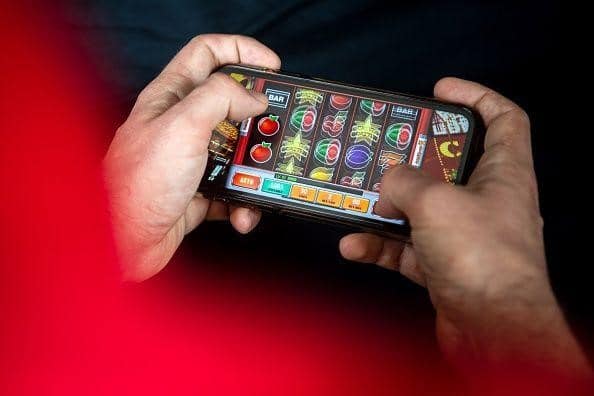

Never saw myself as someone who’d get into casino games on a phone.
Last year, I was spending 2 hours and 47 minutes every day on public transport in Chicago, just scrolling through social media apps. My friend Marcus showed me he’d been playing this fortune gems 2 slot game during his lunch breaks, and honestly, I was pretty skeptical at first.
My Phone Became My Entertainment Hub
I’ve always been into tech. Read reviews obsessively, compare specs for hours, wait for the right price drops before buying anything. So when I decided to actually try mobile casino gaming, I approached it the same way I’d research buying a new laptop.
Started small. Like $15 small.
What surprised me wasn’t the games themselves but how much my phone could actually handle. I’m using a mid-range Android device I bought for $340 last March and it runs everything smoothly without lag or crashes. Battery life takes a hit, but nothing my portable charger can’t fix.
What I Learned About Mobile Gaming Apps
Something I noticed pretty quickly: not all casino apps are created equal.
Some feel clunky. The interface looks like it was designed in 2014. Buttons are too small, graphics are pixelated, and you’re constantly dealing with pop-ups that make you want to uninstall immediately.

But then you find the good ones. Clean design. Responsive touch controls. Games that actually load in under 8 seconds.
I’ve found that games with gem-matching mechanics tend to be my favorites. They’re simple to understand but still keep you engaged. You don’t need a PhD to figure out what’s happening on screen.
The Tech Side of Things
I got curious about how these games actually work on mobile devices. Spent about 3 hours one Saturday reading developer blogs and forum discussions.
Most modern casino games use HTML5 now instead of Flash. What this means is they work on basically any smartphone made after 2018—iPhone, Samsung, Xiaomi, doesn’t really matter.

Your internet connection matters way more than your phone’s processor, which I learned the hard way when I tried playing on the subway with spotty 4G. Now I only play when I’ve got stable WiFi or full LTE coverage.
Storage space is another consideration. Apps usually range between 85MB and 210MB, but if your phone’s already packed with photos and videos you’ll need to do some cleanup first.
Making It Work With Your Routine
I’ve settled into a pattern where I play for maybe 20 minutes on my morning commute and another 15 minutes during lunch if I’m eating alone.
What I don’t do is play when I’m supposed to be doing other things. No gaming during meetings. No playing while walking down the street. And I set a weekly budget of $50 that I actually stick to.
The portability aspect is brilliant, though. You can be waiting for an oil change, sitting in a doctor’s office, or killing time before a movie starts. Your phone’s already in your pocket anyway.