

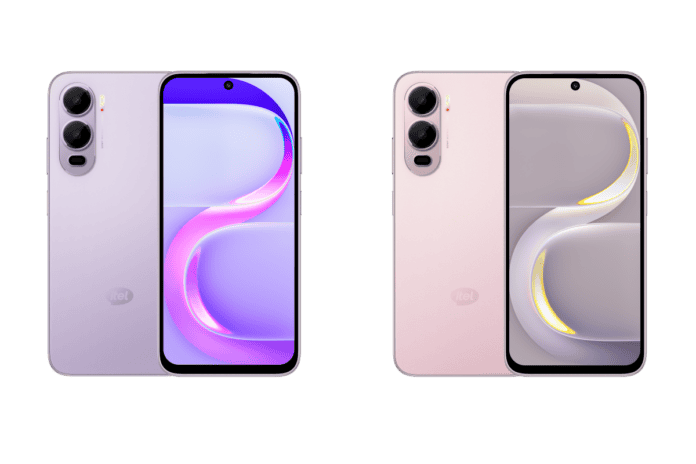

The itel City 200 is the second iteration in itel’s style-meets-durability City series, and it brings meaningful upgrades over the City 100. The headline changes are a jump from a 90Hz to a smooth 120Hz display, a leap from a 13MP to a 50MP main camera, and a move from Android 14 to Android 15.
itel has also slimmed the body to 7.45mm, added MIL-STD-810H drop resistance, and introduced reverse wired charging. Aimed at budget buyers across Africa, Asia, and the Middle East, the City 200 packs a 5,200mAh battery and modern AI features into an affordable, rugged package.
Design
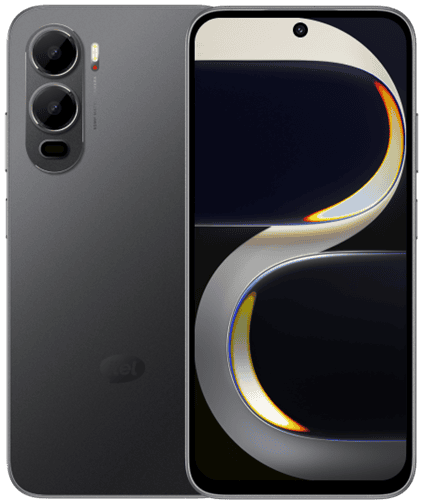
itel has clearly prioritized looks and toughness here. The City 200 measures just 7.45mm thick and uses a metallic-finish unibody with a flat frame and a centered punch-hole cutout, giving it a cleaner, more premium face than its predecessor.
It comes in four finishes: Bass Black, Echo Silver, Vibe Purple, and Melody Pink. Crucially, the cheap Android phone features MIL-STD-810H certification, with drop resistance tested to 1.5 meters, plus an IP65 rating for dust and water-splash protection.
That combination of a slim profile and genuine ruggedness is rare at this price and directly addresses the cracked-screen worry that plagues entry-level handsets in daily use.
Display
The front features a 6.78-inch IPS LCD panel running at a fluid 120Hz refresh rate, a clear step up from the City 100’s 90Hz screen. Peak brightness is rated at around 700 nits, keeping the display usable outdoors and in the bright daytime conditions common across its target markets.

Resolution sits at HD+ (720 x 1576 pixels), so it is not the sharpest screen around, but the high refresh rate makes scrolling, social media, and casual gaming feel smooth and responsive. A 120Hz panel in this price bracket remains uncommon, making it one of the City 200’s strongest selling points for everyday users.
Camera
Photography sees the biggest generational leap. The single rear camera jumps to a 50-megapixel AI sensor, up from just 13 megapixels on the City 100, and supports HDR, Panorama, and an LED flash.
In good light, it captures detailed, usable shots, though low-light and indoor sharpness fall off as expected at this tier. On the front, an 8MP selfie camera adds Auto Zoom Selfies and AI Vlog tools aimed at content-focused younger buyers.
The AI extras are modest rather than transformative, but the move to a 50MP main sensor gives the City 200 a clear point-and-shoot advantage over many rivals selling at the same price.

Hardware and Software
Under the hood sits the Unisoc T7250, a 12nm octa-core chip (two Cortex-A75 cores at 1.8GHz plus six Cortex-A55 cores) paired with Mali-G57 MP1 graphics. It is the same platform as the City 100, so this is an iterative rather than a performance generation; expect comfortable everyday multitasking and light gaming rather than heavy titles.
Memory options include 4GB or 6GB of RAM with up to 6GB Memory Fusion expansion, alongside 128GB or 256GB of storage that is expandable via microSD. Software is the bigger story: the City 200 ships with Android 15 and itel OS, adding a “Dynamic Bar” for quick notifications plus itel’s Sola AI assistant.
Battery and Charging
Battery life remains a consistent itel strength. The City 200 carries a large 5,200mAh cell that comfortably delivers a full day, often more, of mixed use. Charging moves to 18W wired, and itel has added reverse wired charging so the Android phone can top up small accessories like earbuds in a pinch, a handy extra at this price.
While 18W is not fast by flagship standards, it is reasonable for the segment, and the generous capacity means most users will charge less often. For students and on-the-go buyers, the battery is one of the phone’s most practical advantages.
Connectivity
Connectivity is solidly mid-budget rather than cutting-edge. The City 200 is a 4G LTE device, so there is no 5G; it’s worth noting if future-proofing matters to you. It supports dual-SIM, Wi-Fi, Bluetooth, and satellite positioning via GPS, with a USB Type-C port for charging and data.
A fingerprint sensor and face unlock handle security. For its intended markets, where 4G coverage still dominates, and data costs favor LTE, the absence of 5G is a sensible cost-saving trade rather than a dealbreaker. Buyers who want 5G at a similar price will need to look at specific rival models instead.
itel City 200 Pricing and Availability
The itel City 200 launched in February 2026, debuting in Indonesia from around IDR 1,399,000 and reaching Pakistan at roughly Rs 28,000–31,500, equivalent to about $110–115.
itel City 200 price in Nigeria starts at around ₦145,000 for the model with 4GB RAM and 128GB storage.
At this price, it lands squarely against other entry-level 2026 phones such as the Infinix Smart 20, Tecno Spark 40, Samsung Galaxy A07 4G, and Xiaomi’s Redmi A5.
The City 200’s clearest advantages over these rivals are its 120Hz display and 50MP camera, which many similarly priced models still lack.
Samsung counters with longer software support, while some Tecno and Infinix models offer comparable battery life; even so, few match the City 200’s blend of a high-refresh-rate screen, rugged certification, and large battery for the money.
| General | |
|---|---|
| Announced / Released | February 2026 (regional rollout) |
| Predecessor | itel City 100 |
| Colours | Bass Black, Echo Silver, Vibe Purple, Melody Pink |
| Design and Build | |
| Dimensions | 167.6 × 78.6 × 7.45 mm (GSMArena rounds thickness to 7.5 mm) |
| Weight | Not officially listed by reliable sources |
| Build | Metallic unibody, punch-hole front |
| Durability | IP65 dust and splash resistant; MIL-STD-810H compliant (drop resistant up to 1.5 m) |
| Display | |
| Type | 6.78-inch IPS LCD, 120Hz refresh rate, punch-hole |
| Resolution | 720 × 1576 (HD+), 19.5:9, ~256 ppi, ~85.1% screen-to-body |
| Brightness | 700 nits |
| Performance | |
| Chipset | Unisoc T7250 (12 nm) |
| CPU | Octa-core (2×1.8 GHz Cortex-A75 & 6×1.6 GHz Cortex-A55) |
| GPU | Mali-G57 MP1 |
| RAM / Storage | 4 / 6 GB RAM (with Memory Fusion expansion) · 128 / 256 GB · microSDXC expandable Combos: 4/128, 6/128, 4/256 GB |
| Camera | |
| Main | 50 MP (single) |
| Main features | AI, LED flash, HDR, Panorama |
| Front | 8 MP, Auto Zoom Selfies, AI Vlog |
| Video | 1080p @ 30fps |
| Battery, Software, and Connectivity | |
| Battery | 5,200 mAh (non-removable) |
| Charging | 18W wired; reverse wired charging |
| Software | Android 15, itel OS 15 · Dynamic Bar, AI assistant features |
| Network | GSM / HSPA / LTE (4G) — no 5G |
| Connectivity | Wi-Fi, Bluetooth, USB Type-C 2.0 (OTG), Infrared port, 3.5mm headphone jack |
| Positioning | GPS |
| Security | Side-mounted fingerprint sensor, Face unlock |
| SIM | Dual Nano-SIM |
| Price | |
| Starting Price | ~₦145,000 (Nigeria) · ~Rs 28,000–31,500 (Pakistan) · IDR 1,399,000 (Indonesia) (~$110–115) |
Frequently Asked Questions (FAQ)
Does the itel City 200 support 5G? No. The City 200 is a 4G LTE phone and does not support 5G networks.
How much does the itel City 200 cost? It costs around IDR 1,699,000 in Indonesia, roughly Rs 28,000–31,500 in Pakistan, and about ₦145,000 in Nigeria, which works out to about $110–115 depending on the region and storage variant.
What is the main difference between the City 200 and the City 100? The City 200 upgrades to a 120Hz display (from 90Hz), a 50MP rear camera (from 13MP), Android 15 (from Android 14), a slimmer 7.45mm body, MIL-STD-810H drop resistance, and reverse wired charging.
Is the itel City 200 good for gaming? It handles casual and light games smoothly thanks to its 120Hz screen, but the Unisoc T7250 is not built for demanding, graphics-heavy titles.
What chipset and battery does it use? It runs on the Unisoc T7250 (12nm) octa-core processor and is powered by a 5,200mAh battery with 18W fast charging and reverse wired charging.
Is the itel City 200 durable? Yes. It carries MIL-STD-810H drop resistance (tested to 1.5 meters) and an IP65 rating for dust and splash protection.