


A 2016 survey found that 66% of Nigerians shop online every few months, compared to 60% of South Africans and 45% of Kenyans.
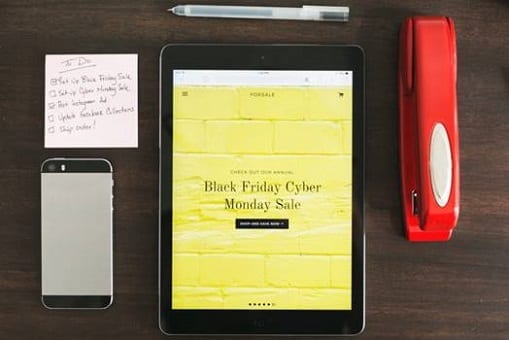
This should be music to retailers’ ears as they gear up for Black Friday (27 November, 2026) and Cyber Monday (30 November, 2026), which mark the start of the holiday season shopping frenzy.
But while local retailers have access to a larger pool of customers comfortable shopping online, competition for those customers will be fierce.
Many big players, including Jumia, Konga, Slot, Shoprite, Sinomart, and Spar, aren’t taking chances and will kick off their Black Friday deals early in November.
Smaller retailers may wonder how to compete with this massive push from the big guys, but with a little creative thinking, any industry, from mining and manufacturing to agriculture, construction, or even the local bakery, can tap into consumers’ appetite to spend. Black Friday is no longer just for retailers.
Biggest yet
In South Africa, economists expect this year’s Black Friday to be the biggest yet, despite a depressed economy. In Nigeria, Jumia plans to offer more than one million deals across more than 1,000 brands, discounting some by as much as 80%.
While Black Friday is expected to boost retail sales, it’s also expected to hurt December sales, as consumers finish all their holiday shopping in one go.

This suggests that those businesses that don’t participate in Black Friday could experience cash flow problems during the subdued December and January spending months.
Here’s how you can prepare your small business to take advantage of – and survive – the rush:
1. Start Early and Market
Consumers start researching Black Friday deals weeks in advance to ensure they know where to find the best ones. Why wait until D-Day? Take Jumia’s lead and start early.
With less than two weeks to go, start advertising your specials now – and include daily teasers. Black Friday is a chance to build loyal customers, and your marketing should be optimized around that goal.
Think of it as an advent calendar that gives customers something to look forward to every day as the main event approaches.
Consider creating a unique hashtag and rewarding customers who submit the best product selfie, for example. Or offer discount vouchers on future purchases if shoppers sign up for your newsletter. Create cart-abandonment emails to encourage customers to return and check out.
How to: If you own a gift shop, you might have excess stock that you’ve been struggling to move. Advertise your discounted rates in the local newspaper, on your website, app, and social media (great for targeting specific groups), and email your regular customers so they hear the news from you first.
2. Listen
People are already talking about Black Friday. Tune into the conversation to understand what your target market hopes to find deals on and how your products and services meet those needs.
Ask your customers to “write to Santa” and submit their Black Friday wish lists, so you know what they want.
How to: Twitter is the best platform to monitor real-time conversations. In the search box, type your product – e.g., cakes – and ‘Black Friday’ to get an idea not only of what customers want (you might come across someone hoping for a bulk deal on a cupcake order, for example) but also what your competitors or bakeries in other countries are planning, and get some ideas. If Twitter isn’t giving you great insights, run your own poll to get feedback from your regular customers on what they want to see on your promotions list.
3. Organise
Stock will fly off the shelves over the Black Friday weekend, so you need to update stock levels in real time to avoid disappointing customers at checkout.
How to: Adopt an online solution that tracks inventory and sales and gives you insights into the products that sell well. This gives you time to stock your shelves with in-demand products for the festive season.
4. Test
Make sure your website can handle the expected traffic increase. Black Friday is all about speed, and a slow website will drive customers away faster than anything.
How to: There are hundreds of free website speed test tools available online that let you test the performance of your website and provide tips on how you can make it faster. Consult an IT professional well in advance to ensure your website doesn’t cave under pressure and lose sales and customers.
5. Prepare
Bolster your resources to handle high demand. Make sure your logistics partner can handle increased deliveries; if not, outsource the surplus.
If you’re a distribution company, create a Black Friday deal for customers, offering discounted rates or round-the-clock delivery on the day.
If you suspect you might be understaffed, hire unemployed youth and give them work experience to put on their CVs.
How to: We live in an age of instant gratification, and customers who make purchases on these high retail days expect fast delivery. If you run a delivery business, prepare your drivers for the busy weeks ahead and consider giving them a survival kit to take with them on the road. Service your vehicles well before the rush so one breakdown doesn’t disrupt operations.
6. Focus on the Experience
Small businesses can offer a more personalized shopping experience than large businesses, especially on Small Business Saturday, an offshoot of Black Friday and Cyber Monday that encourages people to visit and support small businesses in their areas.
Create a relaxed shopping environment amid the shoving and elbowing synonymous with the day, even if that means limiting the number of customers in your store at a time. By delighting customers, you win their loyalty.
How to: With so much foot traffic in your store, now is a good time to let customers sample your products. If you own a candy store, have Santa’s elves hand out sweets to people waiting in line. Word of mouth is a powerful marketing tool. When you create a memorable shopping experience, customers will tell their friends about it.
7. Offer a variety of payment options
On Black Friday, customers want to bag their specials and move on to the next store as quickly as possible.
Your payment system needs to handle higher transaction loads with minimal delays, whether customers pay online or in-store.
Nigeria has low bank card penetration, with only 36.3% of Nigerians having access to a formal bank account. This means cash on delivery remains a popular payment choice and should be one of your Black Friday payment options.
How to: When accepting payments in-store, the goal is to minimize queue wait times. Hire more staff to serve more customers, or adopt a wireless POS system that brings checkout to the customer, like right outside the change rooms of your boutique clothing store. In e-commerce, confusing or non-functioning payment pages are one of the biggest reasons shoppers abandon their carts, and why businesses lose 3% of online sales. Create online payment shortcuts and ensure your website is mobile-friendly. Adopt a payments solution that accepts a variety of payment options.
Remember this: if you’re going to do Black Friday, do it well. It is an opportunity for you, as a small business owner, to grow your business and make the most of the festive season.
By Magnus Nmonwu, Regional Director for Sage in West Africa
Related Topics
- Jumia Black Friday
- Konga Cyber Monday
- AliExpress Cyber Monday
- Amazon Black Friday
- Black Friday Hosting Deals
- Best Black Friday VPN Deals
- AliExpress Black Friday
- Konga Black Friday
- Konga Most Wanted Sales
- HostGator Black Friday
- GoDaddy Black Friday
- How to Keep Your Personal Information Secure Online?
- User Data Surveillance is Heading IOT Towards Disaster
- Ways to Improve Your Computer Security
- How to Access the Dark Web
- How to Secure Personal Information from Hackers