

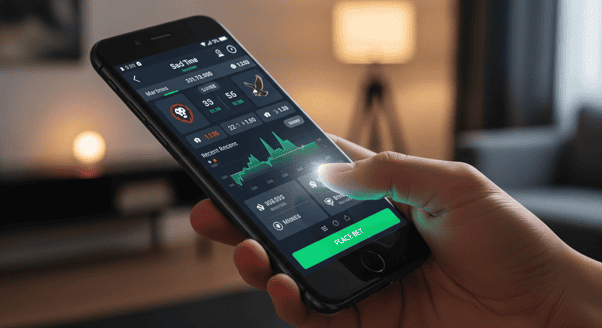

Africa’s online gambling market is being shaped less by desktop websites and more by smartphones. A player can check football odds on a lunch break, follow a live match on the road, open a bet slip in seconds, and manage deposits from the same device. That access changes the business model, but it also changes player behavior.
For Ethiopia-facing betting platforms, the mobile interface is not a secondary product. It is the main arena where trust is built or lost. Users judge the site by speed, readable markets, stable login, payment clarity, KYC handling, and whether the betting flow gives enough time to think before confirming a stake.
Why Mobile Became the Default Screen
The strongest reason is practical access. Many users in African markets reach digital services from phones first, so betting products have to be built around smaller screens, touch controls, variable connection quality, and quick account actions. A desktop-first interface can feel heavy when the user only wants to compare odds or check an active ticket.
The Rolsbet mobile page at https://rolsbet-et.com/aa/mobile reflects that shift by focusing on app access, live updates, bet history, and LIVE events in a smartphone setting. Those features matter because mobile betting is not only about placing a bet faster.
It is about keeping the main account actions close enough for users who do not treat a laptop as their betting device. When the same screen carries odds, deposits, bonuses, and verification, UX becomes part of risk control.
The Market Is Moving Toward Localized Trust
Mobile betting growth does not depend only on a bigger sports menu. Users also need language, account recovery, clear registration, recognizable payment paths, and a site address they can verify. In markets where fake pages and copied APK files can appear, the official URL becomes a trust signal.
For Ethiopia-focused users, https://rolsbet-et.com/aa gives a local-language entry point for checking sports, live betting, RolsGames, casino, live casino, esports, promotions, and account access. That matters because the user should not have to guess where registration, login, or payment tools are placed.

Localized UX reduces small mistakes that become bigger problems later, especially during KYC or withdrawal review. A site that wants long-term users has to make verification and banking terms easy to find, not only bonuses.
Live Betting Changes the Rhythm
Live betting is the clearest example of how mobile access changes gambling behavior. A football match can move from calm pre-match pricing to a volatile in-play market after one goal or red card. On a smartphone, the player sees that shift almost instantly.
The risk is that speed feels like opportunity even when the price has already moved. A stronger routine is to decide the match budget before kick-off, set a maximum live stake, and avoid adding bets only because the game became emotional. The bet slip should show stake, odds, and possible return clearly before confirmation. If that information is hard to read, the interface is pushing the user toward mistakes.
Casino Games Need a Different Reading
Sports betting and casino play are not the same risk. Sports markets depend on odds, margin, team news, timing, and probability. Casino games depend on RNG mechanics, RTP, volatility, and session length. A mobile casino tab can make switching from football to slots feel casual, but the bankroll math changes immediately.

RTP is a long-run statistical figure, not a promise for one session. Volatility describes how sharply the balance may swing. A low-volatility game tends to produce smaller, steadier results, while a high-volatility slot can create long losing periods before a larger hit. Users who ignore that difference often stake too much for the size of their balance.
Payments Decide Whether Trust Holds
In African online gambling markets, payment experience can matter as much as odds. A user may accept average pricing if deposits and withdrawals are predictable. The opposite is also true: attractive odds lose value when payment rules are unclear.
Before depositing, a player should check limits, expected processing, accepted methods, identity checks, and bonus restrictions. KYC is part of that payment chain, not a separate nuisance. When the account name, document details, and payment method do not match, withdrawals can slow down. A mobile platform that explains verification early creates fewer surprises.
The Smartphone Also Raises Impulse Risk
The same design that makes mobile betting useful can make it too easy. A user can move from market search to deposit to live bet without the natural pause that older desktop betting created. That does not make mobile betting unsafe by default, but it does require stronger personal rules.
A practical routine is to separate entertainment money from living costs, use a fixed weekly or monthly betting limit, and avoid depositing during emotional moments in a match. Push notifications should be managed carefully because they can turn attention into action. If a player is tired, angry after a lost bet, or chasing a late equalizer, the best mobile feature is the close button.
What Better Mobile Betting Looks Like in 2026
The next stage of mobile betting in Africa will be judged by control, not only speed. Strong platforms will make official URLs easy to verify, mobile pages easy to read, login secure, KYC predictable, and payment terms visible before money moves. They will also make the bet slip clear enough for users to understand the risk before confirmation.
For Rolsbet Ethiopia, the practical user path is straightforward: check the official page, use the mobile page for app or PWA access, review football and live markets carefully, read casino game information, complete verification early, and keep the bankroll separate from essential spending.
Mobile-first betting is growing because it fits how people already use the internet. It works best when the player treats convenience as a tool, not as a reason to bet faster.