



Technology has proven very helpful not only for humans but also for animals, as some species have become extinct and others are endangered.
In this article, you will find a few technologies available for helping animals. Read on if you are a pet lover or a wildlife conservationist.
Smart Collars for Helping Animals:
You will be well familiar with smartphones, smart meters, and smart grids. But now biologists have advanced smart collars for helping endangered species. Using GPS (Global Positioning System) and accelerometer technology, animals can be tracked.
It can easily track an animal’s location and activities. It will be super easy to track your pet in the garden or at home. It tracks all movement, even how they are hunting.
In other words, all things that can cause harm to animals can be tracked. If something is going wrong with the animal, then it warns by sending signals. Also, according to researchers, this tool helps them better understand animals.
As a result, they can predict animals’ behavior and also help reduce human-animal conflicts. Thus, it can prove to be a revolutionary technology for wildlife.
On the domestic front, there are GPS Pet collars that combine real-time location tracking, escape alerts, virtual fences (geofencing), and increasingly AI-powered insights to help you spot patterns (like unusual inactivity) before a problem escalates. The SATELLAI Smart Dog Collar is a good choice.

Prosthetic:
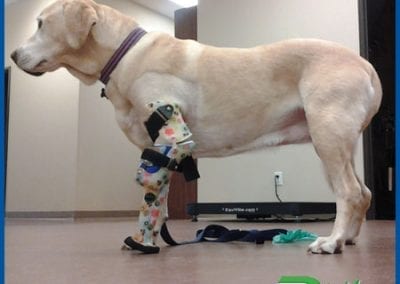
This technology has proved a boon for animals, as it helps disabled animals. This is the only technology that can provide a new direction for the lives of disabled animals.
With the help of prosthetics, you can help both wild animals and pets. You may also have noticed that many times animals become victims of accidents. Due to the accident, they can lose their limbs like humans.
As a result, they have to face many problems. But artificial limbs can solve the problem. Even animals that are crippled from birth can also benefit from prosthetics. Usually, high-tech materials are used to make artificial limbs for animals.

It does not end with artificial limbs; artificial beak, feathers, tail, fins, and claws are now available. The prosthetic is currently helpful for dolphins, dogs, cats, birds, turtles, and even elephants.
Better Mapping and Visualization:

Google Earth was just used to create maps or get directions. But now its usage has increased more than ever before. In addition to making maps and directions, it has now become the most important tool used for the preservation of species.
Another piece of good news is that scientists can discover new species browsing the globe through Google Earth. As you know, many species are endangered. Protecting these species has become very necessary for mankind.
Some organizations are protecting endangered species and their vital habitats with the help of this useful tool. A mapping and visualization tool is definitely helping organizations to show the dangers to the animals’ habitats.
Remote Monitoring of Wildlife Sounds:
We are sure you have not heard of this technology before. This is one of the new and advanced technologies for helping animals. Its main feature is that it uses computer technology to listen to multiple bird sounds at once.
With the help of this tool, you can detect which species are present in a habitat. Scientists can also use this technology to determine the reasons for changes in species.
They can determine whether changes in animal populations are due to habitat loss or climate change. Also, remote monitoring is very helpful for providing an automated approach to monitoring bird species.
As a result, it helps researchers make a direct observation. According to researchers, remote monitoring technology is also helpful for insects, frogs, and marine mammals, as well as birds.
Microchip Implant (animal):
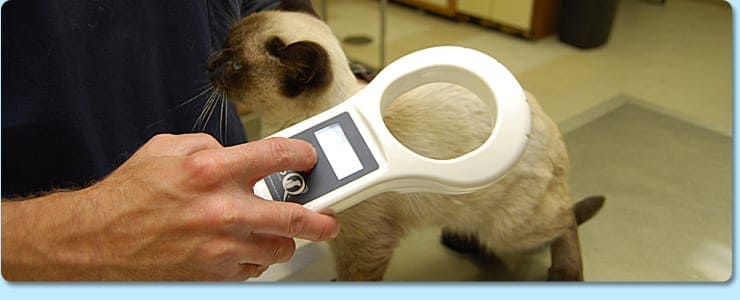
This technology is considered the best option for helping animals. It has proved very useful not only for animals but also for pet owners.
The microchip is based on a passive RFID technology. When it comes to size, it is not bigger than a grain of rice. Usually, this microchip is placed under the skin of animals. The main feature of this technology is its effectiveness in returning lost or missing animals.
If an animal is lost or stolen, you can scan it using RFID technology. In other words, the microchip transmits the information. As a result, the pet owner gets their missing animal back.
Its use has also increased greatly to help wild animals. It is helpful in stopping the theft of wild animals.
This article will prove very helpful to you, as we have provided essential information on technologies that can help protect animals from accidents and human activities. Still, if you want more information, you can leave your comment in the comments section.